
Cultural views on luck How different societies approach gambling
Understanding Luck in Different Cultures
Luck plays a pivotal role in many cultures, influencing perspectives on gambling and fortune. In Western societies, luck is often personified as a chance event, shaped largely by random occurrences. This outlook fosters a belief in personal agency, where individuals think they can influence outcomes through skill or strategic play. For instance, poker is viewed not just as a game of chance but one of skill, where players believe their decisions can sway the outcome in their favor. Furthermore, players can explore options at Dudespin casino United Kingdom to understand how different games embody these principles.
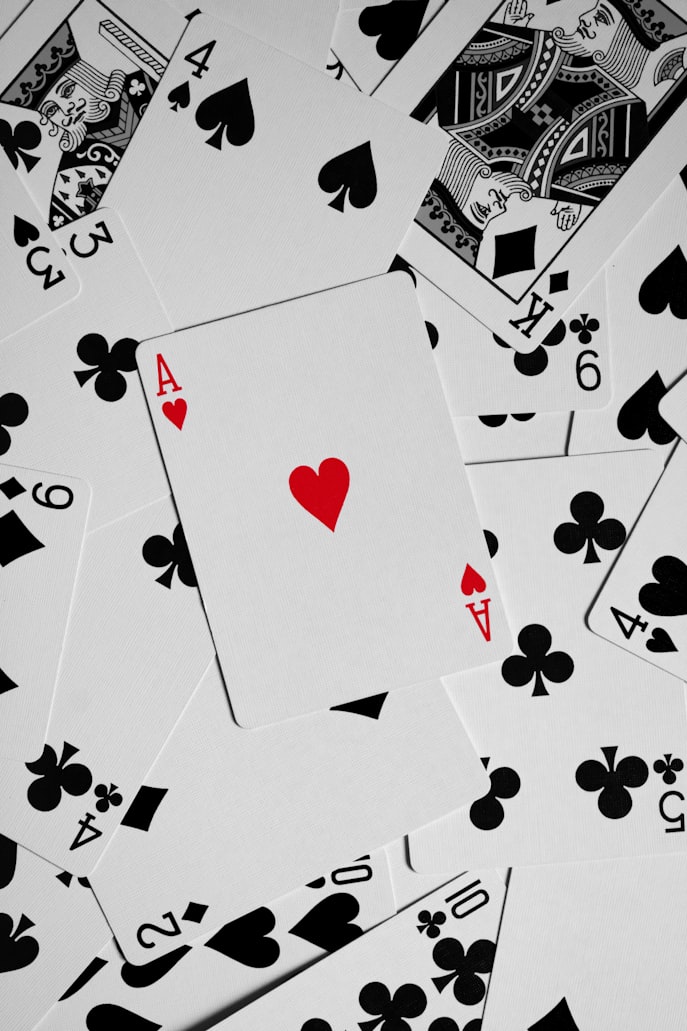
Conversely, in many Eastern cultures, luck is intertwined with spiritual beliefs and collective consciousness. For instance, in Chinese culture, luck is associated with specific symbols, such as the number eight, which is considered highly auspicious. This cultural nuance impacts gambling behaviors, as many players will choose games or numbers based on these beliefs. This perspective places less emphasis on skill and more on fate, suggesting that outcomes are predetermined by a higher power or universal forces.
The interplay between luck and culture also manifests in rituals and superstitions surrounding gambling. In various societies, players may engage in specific behaviors before participating in games, such as wearing lucky clothing or performing certain actions believed to attract good fortune. These practices highlight the deep-seated belief in luck as a guiding force, shaping attitudes towards not just gambling but other aspects of life as well.
Gambling Traditions Across Cultures
Different cultures have developed unique gambling traditions, which often reflect broader societal values and norms. In the United States, for example, the concept of gambling is tied closely to entertainment and leisure. Las Vegas, known as a gambling mecca, embodies this mindset, where the thrill of chance is coupled with extravagant shows and nightlife. This approach encourages a casual attitude towards gambling, often seen as a form of social interaction rather than a serious financial endeavor.
In contrast, many Indigenous cultures have used gambling as a way to foster community bonds and maintain traditions. Games such as Native American dice games serve not only as entertainment but also as a means of storytelling and cultural preservation. These practices often involve rituals that honor ancestors and the spirits of the land, imbuing the gambling experience with a deeper cultural significance that transcends mere financial gain.
In countries such as Japan, gambling is legally restricted to certain types of games, like pachinko. This regulation reflects societal attitudes that prioritize responsible gaming and social stability over unrestricted gambling opportunities. The unique structure of these games often emphasizes skill and strategy, showcasing a cultural inclination towards controlled forms of gambling that adhere to broader societal norms.
The Psychological Impact of Luck on Gamblers
The concept of luck significantly influences the psychology of gamblers, shaping their experiences and motivations. Many players believe that luck is a tangible force that can be harnessed, leading to the common phenomenon of «luck cycles.» Gamblers often experience periods of winning and losing streaks, which they attribute to their luck rather than the inherent probabilities of the games. This perception can lead to a sense of invincibility during winning streaks, where players feel empowered to take larger risks.
On the flip side, losing streaks can trigger feelings of frustration and hopelessness, causing some players to chase losses in an attempt to regain their luck. This behavior, often referred to as the «gambler’s fallacy,» illustrates how cultural views on luck can lead to detrimental financial decisions. In cultures that emphasize individualism, players may blame themselves for losses, while collectivist cultures may attribute outcomes to communal luck or fate.
The psychological impact of luck also manifests in gambling addiction, where individuals may cling to their beliefs about luck despite negative consequences. Understanding these psychological nuances can help in developing responsible gaming practices and interventions to support those struggling with gambling-related issues, highlighting the need for culturally sensitive approaches in treatment and support systems.
Modern Approaches to Gambling and Luck
The rise of online gambling has transformed how different cultures engage with luck and chance. Digital platforms offer a variety of gaming experiences, appealing to diverse cultural tastes and preferences. Players from different backgrounds can access games that resonate with their cultural beliefs, leading to unique gambling experiences tailored to their views on luck. This shift towards online gaming has democratized access to gambling, yet it has also introduced new challenges related to responsible gaming and addiction.
In many countries, regulatory bodies have been established to oversee online gambling, reflecting cultural attitudes towards protecting players from potential harm. These regulations often incorporate responsible gambling practices, recognizing the psychological implications of luck and the importance of ensuring a safe gambling environment. Cultural views on luck can inform these regulations, allowing for tailored approaches that resonate with the local population.
Furthermore, the globalization of gambling has led to a blending of cultural attitudes towards luck. Players from different societies may adopt new rituals or beliefs from one another, leading to a more complex understanding of gambling and its associated practices. This cultural exchange can enhance the richness of the gaming experience, as individuals navigate their beliefs about luck in an ever-evolving landscape of gambling opportunities.

DudeSpin Casino: A New Era in Gambling
DudeSpin Casino represents an innovative approach to online gaming, offering a diverse array of modern slots and table games that appeal to various cultural perspectives on luck. With user-friendly interfaces and 24/7 support, players can immerse themselves in an exciting gaming environment that caters to their desires for both entertainment and fortune. The platform’s extensive offerings encourage a global community of players, reflecting the diverse cultural views on luck as they engage in games from the comfort of their homes.
Moreover, DudeSpin Casino’s commitment to responsible gaming aligns with cultural attitudes towards gambling, emphasizing player protection and fair play. By providing resources for responsible gambling, the platform acknowledges the psychological implications of luck and ensures that players can enjoy their gaming experiences without compromising their well-being. This approach demonstrates a nuanced understanding of gambling that resonates with players across cultural boundaries.
As a modern online gaming platform, DudeSpin Casino not only embraces the thrilling world of chance but also fosters a community that respects the varied cultural beliefs surrounding luck. By blending entertainment with responsibility, DudeSpin Casino is setting a new standard in the gambling industry, inviting players to explore their luck in a safe and exciting environment.
